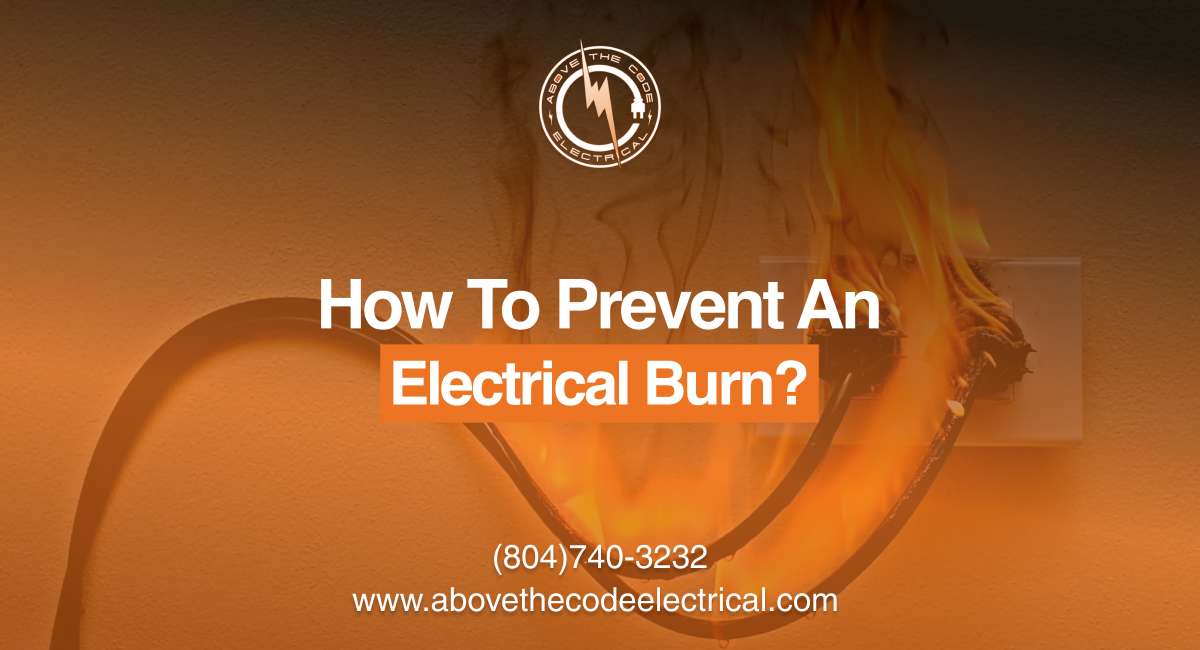
Electrical burns are among the most serious injuries in both workplace and home environments, often resulting in severe tissue damage, nerve injury, and even fatality. These painful and potentially life-altering injuries can happen in seconds but may cause permanent damage.
The good news is that most electrical burns are preventable with proper knowledge and precautions. Electrical burn prevention begins with knowing how these injuries occur, such as through direct contact with electrical current, arc flash (when electricity jumps from an electrical source to a person), or thermal contact with surfaces heated by electricity. These injuries can range from minor surface burns to deep tissue damage that may require amputation.
Understanding the prevention of electrical burns can literally save your life or prevent life-altering injuries. From 2011 to 2023, there were 1,940 workplace fatalities involving electricity in the U.S., with a startling 74% occurring in non-electrically related occupations. This shows that electrical hazards affect everyone, not just electrical professionals.
What is the Cause of Electrical Burns?
Electrical burns occur when an electric current flows through the body, causing tissue damage. The severity depends on several factors, including the voltage, current type (AC or DC), pathway through the body, duration of contact, and the body’s resistance.
There are three main types of electrical burns:
- Direct contact burns: Occur when current flows directly through the body. These can cause damage to internal tissues, nerves, and blood vessels that may be much more extensive than what’s visible on the skin.
- Arc burns: Result from electrical energy jumping from an electrical source to a person without direct contact. These often occur in high-voltage situations and can cause severe external burns.
- Thermal contact burns: Happen when skin touches surfaces that have been heated by electrical energy, such as overheated appliances or tools.
Between 1992 and 2002, there were 3,378 fatal electrical-related injuries in the U.S., over 29,000 non-fatal electrical shocks, and about 18,000 non-fatal electrical burn injuries resulting in lost days of work. Understanding the causes helps us implement more effective prevention strategies.
6 Ways To Prevent An Electrical Burn
These seven strategies provide a comprehensive approach to electrical safety that can significantly reduce your risk of injury at home and in the workplace.
- Ensure Proper Electrical Installation and Maintenance
The foundation of electrical burn prevention starts with proper installation and regular maintenance of electrical systems. Faulty wiring, overloaded circuits, and deteriorating insulation are common causes of electrical fires and burns.
Always hire qualified electricians for installation and repairs of electrical systems in your home or workplace. They understand code requirements and safety standards that prevent hazardous conditions. Regular inspection of electrical systems can identify potential problems before they cause injuries.
- Have electrical systems inspected every 3-5 years in homes, or annually in industrial settings
- Replace frayed cords, damaged plugs, or cracked outlets immediately
- Ensure all electrical work meets local building codes and safety standards
For commercial settings, scheduled maintenance programs are essential for identifying worn components, loose connections, or overloaded circuits that might lead to arc flash incidents or equipment fires.
- Use Protective Equipment and Clothing
Personal protective equipment (PPE) is crucial for those working directly with electrical systems. Proper PPE can mean the difference between a near-miss and a life-threatening injury.
For electrical professionals, this includes insulated gloves, flame-resistant clothing, face shields, and specialized footwear. Even homeowners should use basic safety equipment like insulated tools and rubber-soled shoes when working on simple electrical tasks.
- Wear rubber-soled shoes when working with or near electrical equipment
- Use insulated tools with non-conductive handles for electrical work
- Never wear metal jewelry or watches when working with electricity
- For industrial settings, follow NFPA 70E standards for appropriate PPE based on the hazard level
Remember that moisture conducts electricity, so ensure hands and tools are completely dry before handling any electrical components.
- Install and Test Safety Devices
Modern safety devices have dramatically reduced electrical injuries in homes and workplaces. Installing and regularly testing these devices is a simple yet effective strategy for the electrical burns strategy.
Ground Fault Circuit Interrupters (GFCIs) quickly cut power when they detect current leaking to ground, preventing many shock injuries. Before the widespread installation of GFCIs, nearly 800 people died annually from household electrocutions in the U.S. Arc Fault Circuit Interrupters (AFCIs) detect dangerous arcing conditions that could cause fires.
- Install GFCIs in kitchens, bathrooms, garages, outdoor areas, and any location near water.
- Use AFCIs in bedrooms and other living areas to prevent arc-related fires
- Test all safety devices monthly using their built-in test buttons
- Replace any GFCI or AFCI that fails testing immediately
Surge protectors offer another layer of protection for sensitive electronics and can prevent overheating that might lead to fires or burns.
- Prevent an Electric Motor from Burning
Electric motors in home appliances, power tools, and industrial equipment can overheat and cause burns if not properly maintained. Understanding how to prevent an electric motor from burning is essential for both safety and equipment longevity.
Proper ventilation is critical for motor cooling. Never cover ventilation openings on motor-driven appliances or equipment. Regularly clean dust and debris from motor housings and cooling fins to maintain proper airflow.
- Follow manufacturer maintenance schedules for all motor-driven equipment
- Check for unusual noises, vibrations, or smells that might indicate motor problems
- Ensure motors aren’t overloaded beyond their rated capacity
- Install thermal overload protection devices to automatically shut down overheating motors
For industrial settings, implement predictive maintenance techniques like vibration analysis or thermographic imaging to detect potential motor issues before they create hazards.
- Practice Burn & Electrical Shock Prevention in the Kitchen
The kitchen combines electricity and water, making it a high-risk area for electrical burns and shocks. Burn and electrical shock prevention in the kitchen requires special attention to how we use and maintain appliances.
Keep all electric appliances away from sinks, faucets, and other water sources. Unplug small appliances when not in use, and never handle plugs or appliances with wet hands or while standing on wet floors.
- Use appliances only for their intended purposes
- Check for damaged cords or plugs before using any kitchen appliance
- Keep appliance cords away from hot surfaces that could damage insulation
- Teach children about electrical safety in the kitchen and keep them away from appliances
Install GFCIs on all kitchen outlets, especially those near sinks or water sources. These devices can stop serious shocks in wet environments and prevent burns & electrical shock.
- Follow Lockout/Tagout Procedures
Whether in industrial settings or at home, proper isolation of electrical power before maintenance or repair is crucial for electrical burn prevention. This approach, known as lockout/tagout in industrial settings, ensures equipment can’t unexpectedly energize.
Always turn off and unplug appliances before attempting any maintenance or repair. For hardwired equipment or when working on home electrical systems, turn off the appropriate circuit breaker and verify power is off using a voltage tester.
- Never assume power is off without testing.
- Use lockout devices in workplace settings to prevent others from restoring power
- Place warning tags to communicate why the equipment is de-energized
- Follow proper reactivation procedures when work is complete
In industrial settings, develop and enforce comprehensive lockout/tagout programs that include training, proper equipment, and regular audits of procedures.
Bottom Line
Electrical burns can be devastating, but they’re largely preventable with proper awareness, equipment, and procedures. By implementing these seven prevention strategies, you can significantly reduce your risk of electrical injuries both at home and in the workplace. Take time to assess your home and workplace for electrical risks, and don’t hesitate to consult professionals when you’re unsure about proper safety measures.
At Above The Code Electrical, we elevate protection against electrical hazards by implementing premium safety solutions that exceed standard requirements. Our certified electricians prevent them through meticulous attention to detail that others might miss. We specialize in upgrading older electrical systems with the latest safety technology, from whole-house surge protection to advanced GFCI solutions that react faster than standard models.
Build with confidence, knowing your electrical foundation is expertly handled by Above the Code Electrical. Contact us now!
Frequently Asked Questions
What are the most common causes of electrical burns at home?
Common causes include faulty wiring, damaged cords, water contact with electrical devices, overloaded outlets, and DIY electrical work without proper knowledge. Children inserting objects into outlets and contact with exposed wires during home repairs also cause many household electrical burns.
How to prevent an electric motor from burning?
To prevent your electric motor from burning out, ensure proper ventilation and avoid overloading it beyond its rated capacity. Regularly inspect and maintain the motor, checking for loose connections and unusual noises. Use appropriate motor protection devices like thermal overload relays and fuses. Keep the motor clean and free from dust and debris.
How can I teach children about electrical safety?
Teach children that electricity requires respect. Establish clear rules: nothing except plugs goes into outlets, keep electronics away from water, never pull cords to unplug devices, and tell adults about damaged cords or outlets. Use age-appropriate demonstrations with unplugged equipment and install tamper-resistant outlets for added protection.
What special precautions should be taken when working with high-voltage equipment?
Always assume equipment is energized until verified otherwise with testing equipment. Use properly rated PPE, including insulated gloves and arc-rated clothing. Only qualified personnel should work on high-voltage systems. Follow lockout/tagout procedures, maintain proper working distances, and never work alone. Remember that capacitors can store charge even when power is off.